
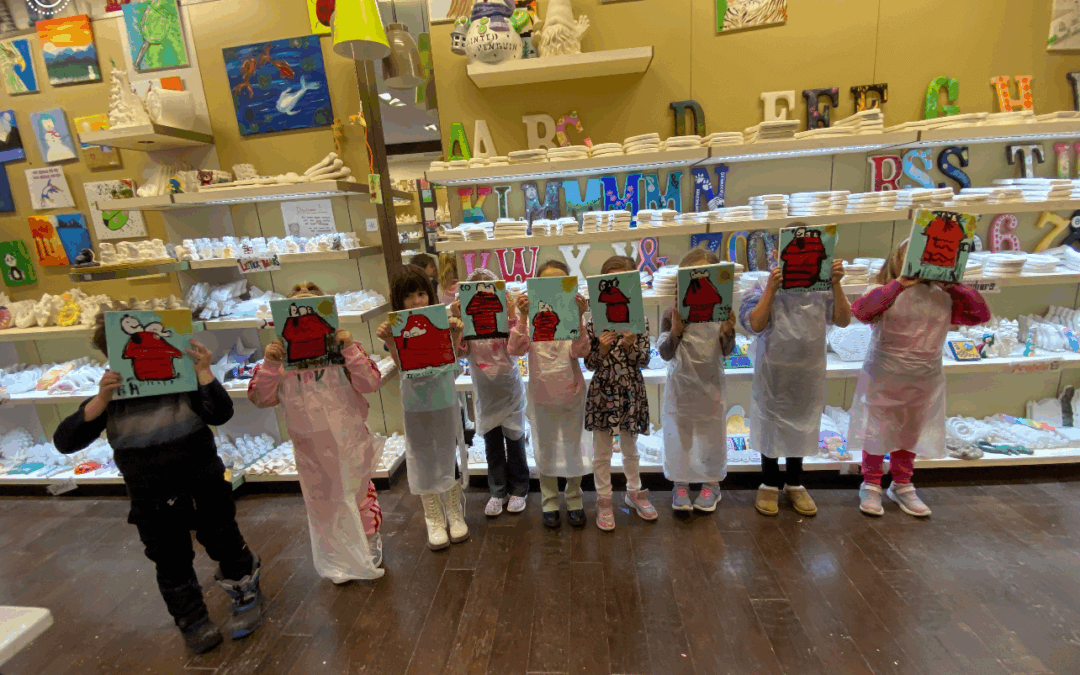
Art isn’t just about making something pretty to hang on the fridge. For kids, art classes can shape how they think, feel, and interact with the world. Whether it’s painting, drawing, sculpting, or mixed media, creative activities offer benefits that go far beyond the classroom. Here’s a closer look at the powerful benefits of art classes for kids — especially when it comes to creativity.
1. Boosts Creativity and Imagination
Creativity is one of the most important skills a child can develop. In art classes, there’s no single “right” answer. A tree can be purple. The sky can be orange. A dragon can live in the ocean.
When kids are encouraged to experiment with colors, materials, and ideas, they learn to think outside the box. This creative thinking spills over into other areas of life — from writing stories to solving math problems in new ways.
Art gives children the freedom to:
• Explore new ideas
• Take creative risks
• Express original thoughts
• Turn imagination into something tangible
In a world that increasingly values innovation, creativity is a lifelong asset.

2. Builds Confidence and Self-Esteem
Completing an art project gives kids a sense of accomplishment. They start with a blank page and end with something uniquely theirs. That feeling of “I made this!” builds pride and confidence.
Unlike subjects that may have strict grading systems, art allows children to succeed in their own way. Every child’s style is different — and that difference is celebrated.
When kids feel confident expressing themselves creatively, they’re more likely to:
• Share ideas in class
• Try new activities
• Develop a positive self-image
3. Encourages Emotional Expression
Children don’t always have the vocabulary to explain how they feel. Art gives them another language.
Through colors, shapes, and imagery, kids can express happiness, frustration, excitement, or even confusion. This creative outlet supports emotional development and can reduce stress.
Art classes provide a safe space where emotions are welcomed and explored — not judged.

4. Improves Problem-Solving Skills
Art is full of decision-making:
• Which colors should I mix?
• How do I make this structure stand up?
• What can I add to improve this design?
These small creative challenges strengthen critical thinking and problem-solving skills. Kids learn to experiment, adapt, and try again when something doesn’t work.
Creative problem-solving developed in art class can later support success in science, technology, engineering, and math — as well as everyday life.
5. Enhances Fine Motor Skills
Holding a paintbrush, cutting paper, shaping clay, or drawing detailed lines strengthens hand muscles and improves coordination.
These fine motor skills are essential for:
• Writing
• Typing
• Buttoning clothes
• Everyday tasks
Younger children especially benefit from hands-on art activities that support physical development.
6. Teaches Patience and Focus
Art projects take time. Kids learn that good results often require:
• Planning
• Concentration
• Persistence
Staying focused to complete a piece helps build attention span and discipline. Over time, children develop the ability to work through challenges without giving up quickly.
7. Promotes Cultural Awareness
Through art, children can explore different cultures, traditions, and artistic styles from around the world. Learning about various forms of artistic expression broadens their understanding and appreciation of diversity.
Art becomes a window into history, storytelling, and global perspectives.
8. Supports Academic Performance
Studies show that students involved in the arts often perform better academically. Creative activities strengthen memory, comprehension, and cognitive flexibility.
When kids learn to think creatively, they’re better equipped to approach academic challenges with confidence and adaptability.
Final Thoughts
Art classes are far more than an extracurricular activity — they’re a powerful tool for development. From boosting creativity and confidence to strengthening motor skills and emotional intelligence, the benefits are lifelong.
By giving kids access to art, we’re not just teaching them how to draw or paint. We’re helping them imagine boldly, think independently, and express themselves fully.
And sometimes, the simple act of turning a blank canvas into something beautiful can shape how a child sees the world — and themselves — for years to come.
Recent Comments